How to Track Fitness Progress Without a Scale
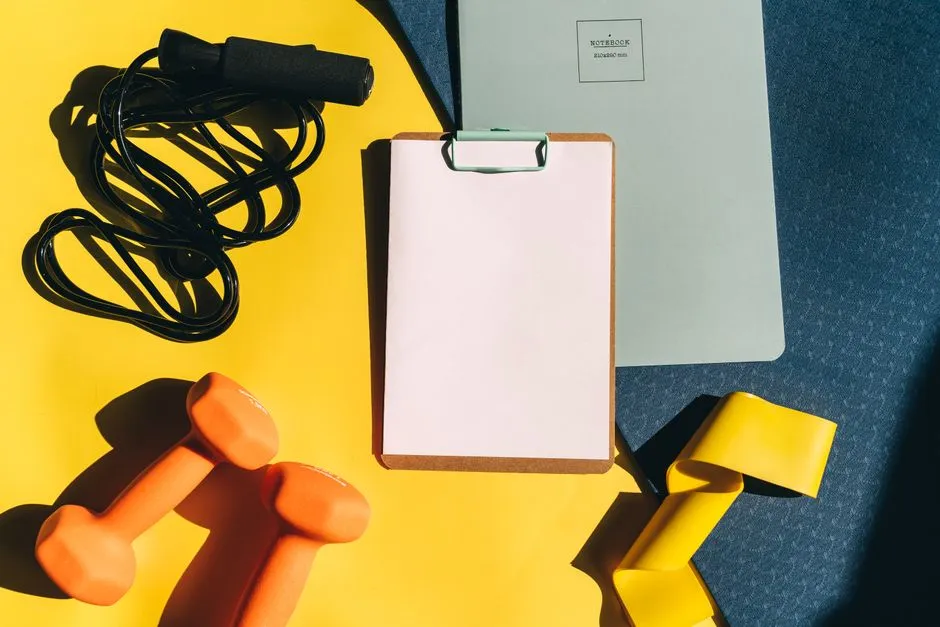
Match the measure to the goal
Track fitness progress without a scale by choosing one or two measures tied directly to what you want to improve. Record attendance for consistency, controlled repetitions and resistance for strength practice, a repeatable route for endurance, or confidence and independence for a daily task.
Body weight cannot report technique, stamina, balance, mobility, enjoyment, or whether you now remember where the resistance band lives. It is one number, not the minutes of a full committee meeting.
Begin with habit markers
If the goal is building a routine, track actions you control:
- Planned sessions started
- Standard or minimum version completed
- Recovery days taken as planned
- Equipment prepared beforehand
- Walk, class, or practice placed on the calendar
- A short note on energy and symptoms
Count a scaled-down session honestly rather than pretending it was full. Count appropriate rest honestly too. The progress-tracking guides are meant to reveal patterns, not manufacture a perfect streak.
Review weekly or monthly. Daily judgment makes ordinary variation feel more important than it is.
Record performance with consistent rules
For a familiar strength exercise, note the variation, resistance, sets, controlled repetitions, and any important setup. “Row: 3 sets” tells less than “supported row, same band and anchor, 3 sets of 8 with steady form.”
Do not chase a record every session. Practice normally and compare trends. If you perform a periodic check, use similar equipment, range, rest, time of day, and technique. Stop when technique fails or symptoms appear; a valid test does not require an unsafe maximum.
For walking, running, cycling, or swimming, you might record a consistent route or duration alongside perceived effort. Weather, terrain, traffic, altitude, and equipment can change the demand, so a faster time under different conditions may not be a clean comparison.
Track skill, control, and confidence
Some progress is qualitative but still observable:
- A movement needs fewer reminders.
- Balance practice feels steadier near the same support.
- You can set up equipment independently.
- A recreational skill feels less rushed.
- You approach stairs or carrying tasks with more confidence.
- You recover enough to enjoy the rest of the day.
Write one sentence about what changed and under what conditions. Avoid turning confidence into pressure to remove safety supports before you are ready.
Pain reduction or symptom change should not be self-diagnosed as proof that a condition is cured. Persistent, new, or worsening symptoms belong with an appropriate qualified professional.
Use photos and measurements cautiously
Progress photos and tape measurements document appearance or circumference, not fitness, health, or personal value. Lighting, posture, clothing, camera angle, hydration, digestion, and technique can change the result.
If you choose either method, standardize the process and check infrequently. Do not edit comparison images or pull the tape tighter to force a result. More importantly, stop if tracking increases shame, restrictive eating, compulsive exercise, body checking, or anxiety. A mental-health professional or eating-disorder-informed clinician can provide appropriate support.
You are not required to document your body at all. The routine-building guide offers action-based markers that do not involve appearance.
Create a one-page monthly review
Once a month, answer:
- Which planned activities happened most reliably?
- What performance marker changed under comparable conditions?
- What skill or task feels easier or more confident?
- How is recovery affecting the rest of life?
- What obstacle appeared repeatedly?
- What single adjustment will I test next month?
Keep the final adjustment small. Move a session, reduce an overlong plan, ask for instruction, or progress one variable. Do not respond to a flat month by changing food, sleep, exercises, schedule, and equipment at once; that produces data soup.
Progress can pause, reverse, or become harder to interpret during illness, stress, poor sleep, hormonal changes, medication changes, and life disruption. Seek medical guidance for concerning changes rather than using a workout log as a diagnostic device.
The best tracking system helps you make calmer decisions and then gets out of the way. If the spreadsheet has begun demanding an emotional performance review, close it and go live the capacity you were trying to build.