How to Build a Workout Routine That Actually Lasts
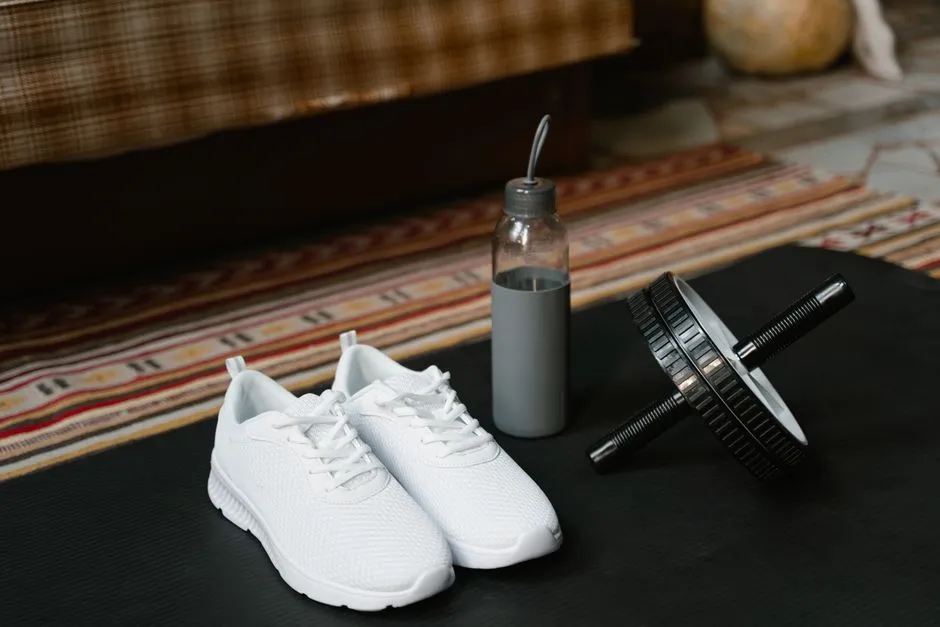
Build for the week you actually have
To build a workout routine that lasts, choose one concrete goal, schedule a small number of sessions you can protect, and create a shorter fallback version. Select movements appropriate to your ability, keep the initial effort manageable, and leave enough recovery to return.
The ideal plan is not the one with the most colored boxes. It is the one that survives the first rainy Wednesday when enthusiasm has gone out for snacks.
Name a goal that can guide choices
“Get fit” cannot tell you what to do on Tuesday. A more useful goal names an activity or capacity: practice basic strength movements, walk regularly, prepare for a recreational trip, improve comfort with stairs, or return to an activity you enjoy.
Health conditions, pain, injury, pregnancy, disability, a long period of inactivity, or concerning symptoms may require an individualized plan from an appropriate health or fitness professional. General content cannot determine what is safe for a particular person.
The habit-building guides separate goals from appearance promises. A body is not a renovation show, and training cannot guarantee a specific shape or timeline.
Choose two levels of commitment
Write a standard session and a minimum session.
Standard session: the complete warm-up, chosen movements, and cool-down you expect on an ordinary day.
Minimum session: a brief, easier version that maintains the appointment when time or energy is limited—for example, a few minutes of comfortable walking and one controlled set of familiar exercises.
The minimum is not appropriate when you are ill, injured, unusually exhausted, or experiencing concerning symptoms. On those days, rest and proper care beat streak preservation.
Schedule sessions at specific times and identify the location. “After work” is vague; “Monday at 6:15 in the living room” has somewhere to report. Add realistic setup and shower time so the session does not secretly occupy twice its calendar slot.
Use a simple movement menu
A general strength session might include a squat or sit-to-stand pattern, a push, a pull, a hinge, a carry, and a trunk-stability exercise. That list is not mandatory or suitable for everyone. Choose versions you can perform without pain and with controlled breathing and technique.
For walking, cycling, swimming, classes, sports, or other recreation, begin below the maximum you think you can tolerate. Environment, equipment, supervision, traffic, water, and weather create separate safety needs.
End sets before form changes sharply. Stop for pain, dizziness, faintness, chest discomfort, unusual breathing difficulty, sudden weakness, or other concerning symptoms and seek appropriate help.
Make the start almost automatic
Reduce decisions before the session:
- Put clothing and equipment in one visible place.
- Keep the planned exercise list short.
- Set a start reminder and a separate end boundary.
- Prepare an indoor alternative for poor weather.
- Tell a supportive person what kind of encouragement helps.
- Remove an obstacle each week instead of adding a motivational slogan.
The cue should lead to action, not negotiations. Still, flexibility matters. Moving a session is a scheduling decision; forcing one through illness is not discipline.
Review after two weeks
After two weeks, ask what happened without assigning moral meaning:
- How many planned sessions began?
- Which time slots worked?
- Did the standard and minimum versions both get used?
- How did energy and symptoms respond?
- Which movement felt confusing or unpleasant?
- Was recovery adequate before the next demanding session?
Use our guide to tracking fitness progress without a scale to choose one or two markers connected to the goal. Do not measure everything merely because a device offers seventeen graphs.
Progress one variable at a time
When the routine is steady and the current work feels controlled, make one modest change: a little more duration, one additional repetition, slightly greater resistance, another set, or a more challenging variation. Keep other variables stable long enough to observe the response.
If attendance is failing, reduce friction before increasing difficulty. If recovery is poor, scale back. A routine that lasts is allowed to evolve—and allowed to become smaller during demanding seasons.
Consistency is not never missing. It is knowing how to return without punishment, panic, or a ceremonial purchase of entirely new workout clothes.